December 2024
Learn why partnering with a licensed provider like Subscribili makes managing membership plans easier, from compliance to renewals.




Running a dental membership plan in 2026 requires a DMPO license in 25 states, ongoing filings, surety bonds, and state specific compliance work that takes 6 to 18 months to set up per state. Application and renewal fees alone run $500 to $2,000 per state, plus $500 to $1,000 in annual surety bonds. The faster path is partnering with a platform that already holds DMPO and TPA licenses in all 50 states, so your practice ships in 2 weeks instead of 2 years.
The entrepreneurial impulse in dentistry is strong. Practices that built their patient base, set their fee schedules, and own their PMS systems naturally ask: why outsource the membership plan?
The answer is one acronym most practice owners do not fully understand until they are deep in a state filing. DMPO. Any plan that charges a recurring fee in exchange for discounted dental services is legally a Discount Medical Plan, and operating it makes your practice a Discount Medical Plan Operator. That triggers regulatory oversight in 35 states, with 25 of those states requiring a formal license before you can enroll a single patient.
Getting it wrong is not a paperwork problem. Penalties include administrative actions, monetary fines, disgorgement of every enrollment fee collected, and outright suspension or termination of the plan. For a multi location DSO running across 5 or 10 states, the exposure compounds fast.
A DMPO license is not a single form. It is a continuous administrative function with 3 dimensions that practices consistently underestimate.
The initial application requires plan documents, fee schedules, marketing materials, and member agreements that satisfy each state's specific disclosure rules. After filing, the back and forth with state regulators routinely runs 6 to 18 months before approval. Renewals are annual or biennial depending on the state, and any material change to your plan triggers another filing.
Application and renewal fees alone range from $500 to $2,000 per state. Most states also require a surety bond of $500 to $1,000 per year. Several states layer on assessments or per member fees that scale with enrollment, which means your compliance cost grows as your plan grows.
Once licensed, every plan element falls under regulatory scrutiny: plan design, marketing copy, fee schedules, required member disclosures, complaint handling, and financial reporting. Some States require quarterly compliance submissions, audited financials, routine operational surveys, and new network filings on top of annual renewals. Miss a quarterly filing and your license is at risk.
Compliance is not a federal checkbox. Each state runs its own application process, fee structure, and ongoing obligations. A few examples of where the friction concentrates:
For a single location practice, navigating 1 state is hard. For a DSO operating across 10 or more states, the math stops working. You are now running a compliance department on top of running a dental business.
| Dimension | DIY DMPO Setup | Subscribili Infrastructure |
|---|---|---|
| State licenses required | 25+ separate applications | Already licensed in all 50 states |
| Time to first enrolled member | 12 to 24 months | 2 weeks |
| Surety bond capital | $10,000 to $25,000+ across states | Covered by Subscribili ($1M+ across 20 states) |
| Annual filing burden | 25+ renewals plus quarterly filings in some states | Managed by Subscribili |
| Regulatory risk | Held by the practice | Held by Subscribili as DMPO and TPA |
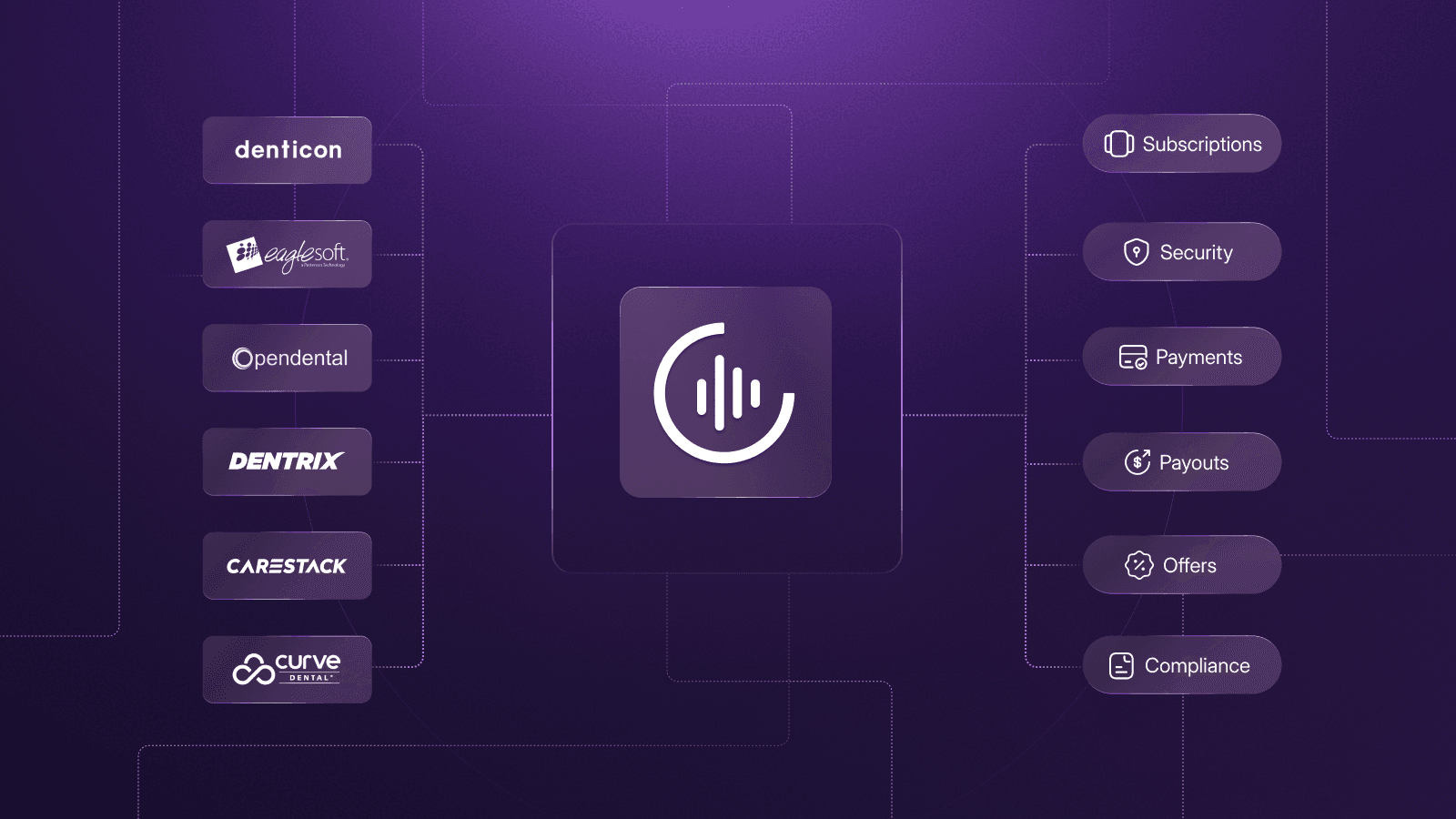
| PMS integration | Manual reconciliation | 30+ native PMS/EHR integrations (95% coverage) |
| Data security compliance | Practice owns SOC 2 and HIPAA work | SOC 2 certified, HIPAA aligned |
| Multi state expansion | New application per state | Same day activation |
Skip the 2 year compliance build. See how Subscribili's 50 state DMPO and TPA licensing gets your plan live in 2 weeks.
Most dental membership platforms are licensed only as DMPOs. Subscribili is licensed as both a DMPO and a Third Party Administrator (TPA) in all 50 states. The TPA license matters because it covers the payment processing and benefit administration layer that DMPO licensing alone does not. For DSOs and multi specialty groups, this dual licensing closes regulatory gaps that a DMPO only platform leaves open.
Subscribili also holds direct licensure in every state it operates in, including California. No state operations are routed through outside administrators. For dental groups conducting vendor due diligence, asking your platform whether they are directly licensed in California, or whether they delegate that state to another entity, is one of the most useful filters you can apply.
Membership plan compliance is not a workflow problem. It is an infrastructure problem. The same way a SaaS company does not build its own payment processor when Stripe exists, a dental practice should not build its own multi state regulatory operation when the licensed infrastructure already exists.
Subscribili holds the licenses, the surety bonds, the SOC 2 certification, and the 30+ PMS/EHR integrations covering 95% of dental software systems in market. Practices get a 2 week path from contract to first enrolled member, with the entire compliance stack maintained by Subscribili's regulatory team. That is the difference between membership plan software and subscription infrastructure for dental care.
If your practice is considering a membership plan, the compliance question is the first filter, not the last. Three questions to ask any platform before signing:
The answers will tell you whether you are buying infrastructure or buying a software wrapper around your own compliance liability.
Ready to skip the 25 state filing maze? Book a 20 minute Subscribili infrastructure walkthrough. See your projected timeline to first enrolled member, mapped to the states where you operate today.
A DMPO is a Discount Medical Plan Operator. Any time your practice charges patients a recurring fee in exchange for discounted services, you are operating a Discount Medical Plan, which makes your practice a DMPO under state law. 35 states regulate DMPOs and 25 require formal licensure before enrolling members.

Initial licensure timelines vary by state but typically run 6 to 18 months from application to approval. States like California, Illinois, and Louisiana frequently extend past 12 months. Washington rarely issues new DMPO licenses, effectively requiring a licensed partner to operate there.
Penalties include administrative actions, monetary fines, disgorgement of enrollment fees already collected from patients, and suspension or termination of the plan. For multi location practices, exposure scales with the number of unlicensed states where the plan is sold.
A DMPO license authorizes a platform to operate the membership plan and offer discounts on services. A TPA, or Third Party Administrator, license authorizes payment processing and benefit administration. Subscribili holds both licenses in all 50 states, which closes regulatory gaps that DMPO only platforms leave open.
It is legally possible but operationally expensive. Each state requires its own application, surety bond, and ongoing filings. Most DSOs find the unit economics break above 5 states, which is why DSO operators typically partner with a platform that already holds the licenses centrally.

We're a health technology company building a platform to help underinsured Americans get the essential care they need at a reasonable price.



The Subscribili Subscription Plans are not insurance, but a licensed treatment savings subscription plan offered through our offices. Subscribers in good standing with their annual subscription fee are eligible to receive transparent, subscriber-only discounts from the normal retail fees that participating offices typically charge self-pay patients for treatment. Plan details and subscriber savings are exclusive to participating offices and may vary by location. Subscribili does not make payments directly to care providers for services rendered to plan subscribers. Subscribers are obligated to pay for all care services, but will receive a discount on services rendered by participating care providers. The plan is not a qualified health plan under the Affordable Health Act. The plan does not meet the minimum creditable coverage requirements under MGLC.111M and 956 CMR 5.00. Discount Medical Plan Organization (“DMPO”) and plan administrator: Subscribili Inc. 9600 Great Hills Trl, Austin, TX 78759.
© 2026 Subscribili, Inc. All rights reserved.